Your dog just got home from a walk and they’re panting hard, flopped on the floor, and don’t seem quite right. This is one of those moments where knowing what to do, and what not to do, matters a lot.
Steps to cool down your dog after a walk
Follow these steps in order. The first 5 minutes matter most.
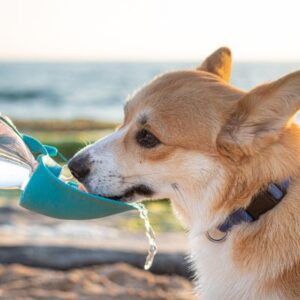
1. Get out of the sun immediately. Bring your dog indoors or to a shaded spot. Continued sun exposure will keep their body temperature rising even after you’ve stopped walking.
2. Offer cool (not cold) water. Let your dog drink at their own pace. Don’t force it, and don’t offer large amounts all at once. Drinking too fast on an overheated stomach can cause vomiting. Small, steady sips are fine. If you’re ever unsure how much water your dog needs, our guide on how long a dog can safely go without water breaks it down.
3. Apply a damp cloth to key cooling spots. Wet a cloth or towel with cool water and press it against your dog’s neck, armpits, groin, belly, and paw pads. These areas have blood vessels close to the skin surface, so cooling them down works fast.
4. Let them rest on a cool surface. Marble, tile, and concrete floors are your best friends here. Dogs seek these surfaces out instinctively when hot. If you have an air-conditioned room, use it. If not, a well-ventilated tiled room with a ceiling fan does the job for most Indian homes.
5. Don’t use ice or ice-cold water. This is the most common mistake. Ice-cold water causes blood vessels near the skin to constrict, which actually slows down the cooling process and can cause shock in serious cases. Cool water, not cold, is what you need.
6. Keep air circulating, not blowing directly. A ceiling fan or open window helps. Avoid pointing a fan directly at your dog’s face, as this can increase the breathing rate and worsen dehydration. Room-level air circulation is enough.
7. Monitor for 20 minutes. Healthy dogs recover quickly with the right care. If your dog is still panting heavily, seems disoriented, or won’t drink after 20 minutes, that’s a potential heatstroke situation and needs immediate vet attention.
Does wetting a dog cool it down?
Yes, it does, but how you do it matters.
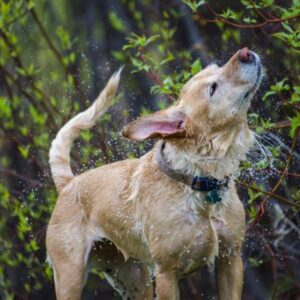
Cool water on your dog’s coat, paws, and belly helps lower their body temperature. Dogs don’t sweat through their skin the way we do. They release heat mainly through panting and through their paw pads. Wetting the paws and the inside of the legs is particularly effective.
Avoid dunking your dog in cold water or using ice packs. The temperature shock can constrict blood vessels and slow the cooling process rather than speed it up. A damp cloth or gentle spray of cool water is far safer and just as effective.
If you have a shallow tub or bucket at home, letting your dog stand in cool water for a few minutes works well, especially on very hot days.
When is it too hot to walk your dog in India?
If you can’t hold the back of your hand on the pavement for 5 seconds, your dog shouldn’t be walking on it.
In Indian cities, summer tarmac and concrete can reach 55 to 65°C by midday, hot enough to burn paw pads in under 60 seconds. Most dog owners are focused on the air temperature and miss that the ground itself is the bigger hazard.
The simple rule: walk before 8am or after 7pm during Indian summer. In cities like Ahmedabad, Delhi, and Nagpur, where temperatures regularly hit 42 to 45°C between April and June, afternoon walks aren’t safe for most dogs.
If you have to walk at an awkward hour, keep it under 10 minutes, stick to shaded paths, and always carry water. Grassy areas and parks stay cooler underfoot than roads and pavements.
Which dogs overheat fastest?
Not all dogs handle Indian heat equally.
Flat-faced (brachycephalic) breeds are at the highest risk. Pugs, French Bulldogs, Shih Tzus, Boxers, and Bulldogs have shortened airways that make panting far less efficient. These dogs can go from uncomfortable to dangerously overheated faster than most owners expect. Keep their summer walks very short and early.
Thick-coated breeds, Huskies, Samoyeds, Saint Bernards, and to a lesser extent Golden Retrievers, trap body heat in their coats. These breeds were not built for Indian summers. Limit outdoor time significantly and keep the indoor environment cool.
Puppies and senior dogs both have less efficient temperature regulation and need shorter, cooler walks regardless of breed.
Indie dogs are generally better adapted to Indian heat after generations of outdoor living across the subcontinent. That said, they’re not immune, especially puppies, older indie dogs, and any dog that’s been recently unwell. Post-walk cooling is still important.
Signs your dog is overheating
Knowing the difference between “a bit hot” and “genuinely overheating” can save your dog’s life. Watch for:
- Heavy, rapid panting that doesn’t ease with rest
- Excessive drooling, or thick, ropy saliva
- Bright red gums or tongue
- Weakness, stumbling, or difficulty standing
- Vomiting or diarrhoea
- Glazed or confused eyes
- Sudden collapse
A dog’s body temperature becomes dangerous above 40.5°C (105°F). At this level, organs can begin to fail. If you see any combination of these signs and your dog isn’t improving within a few minutes of cooling, call your vet immediately. This is not something to wait out at home.
Frequently asked questions
When should I call the vet if I suspect my dog is overheating?
Call immediately if your dog collapses, can’t stand, vomits, or has glazed or confused eyes. While getting your dog to the vet, continue cooling them with a damp cloth and let them drink small amounts of water if they’re conscious. For Ahmedabad dog owners, our guide to the best vets in Ahmedabad can help you find emergency care quickly.
How does heatstroke affect dogs?
Heatstroke occurs when a dog’s core temperature stays above 40.5°C (105°F) for too long. The body’s cooling mechanisms fail, blood thickens, organs are deprived of oxygen, and the brain can swell. According to the American Kennel Club, dogs that survive severe heatstroke can suffer lasting organ damage, which is why acting fast at the first signs matters so much.
How much water should I give my dog after a walk in the heat?
Let your dog drink at their own pace rather than rationing it. Offer water in small amounts and refill as needed — a very thirsty dog left with a full bowl may gulp too fast and vomit. According to PetMD, dogs need roughly 60ml of water per kilogram of body weight per day, and exercise in heat increases this noticeably. You may also want to read about swimming as exercise.
If your dog won’t drink plain water, try a few pieces of watermelon or cucumber. The water content in juicy fruits counts, and most dogs find them more appealing when hot.
What treats can help cool my dog down?
Safe cooling treat options include:
- Watermelon (seedless, rind removed), over 90% water content
- Cucumber, cool, low-calorie, and most dogs love it
- Apple (seeds and core removed), dogs can eat apple safely as a refreshing post-walk bite
- Plain yogurt or buttermilk, cooling and probiotic-friendly in small amounts
Keep portions small and treat them as a supplement to water, not a replacement for it. If you want a ready-made healthy treat, WoofTroop’s Fruit & Veggie Cookies are made with dog-safe fruits and vegetables, no preservatives, no additives.
The bottom line
Indian summers are genuinely hard on dogs, and heat stress can escalate faster than most owners expect. The things that matter most:
- Cool down, don’t ice down, cool water and shade, not cold water or ice packs
- Walk early or late, before 8am or after 7pm during peak summer months
- Know the danger signs, heavy panting, red gums, and stumbling mean act now, not in 10 minutes
- Flat-faced breeds need the most care, they struggle more than others in heat
For more on keeping your dog safe and healthy year-round, explore the rest of our dog health care guides.